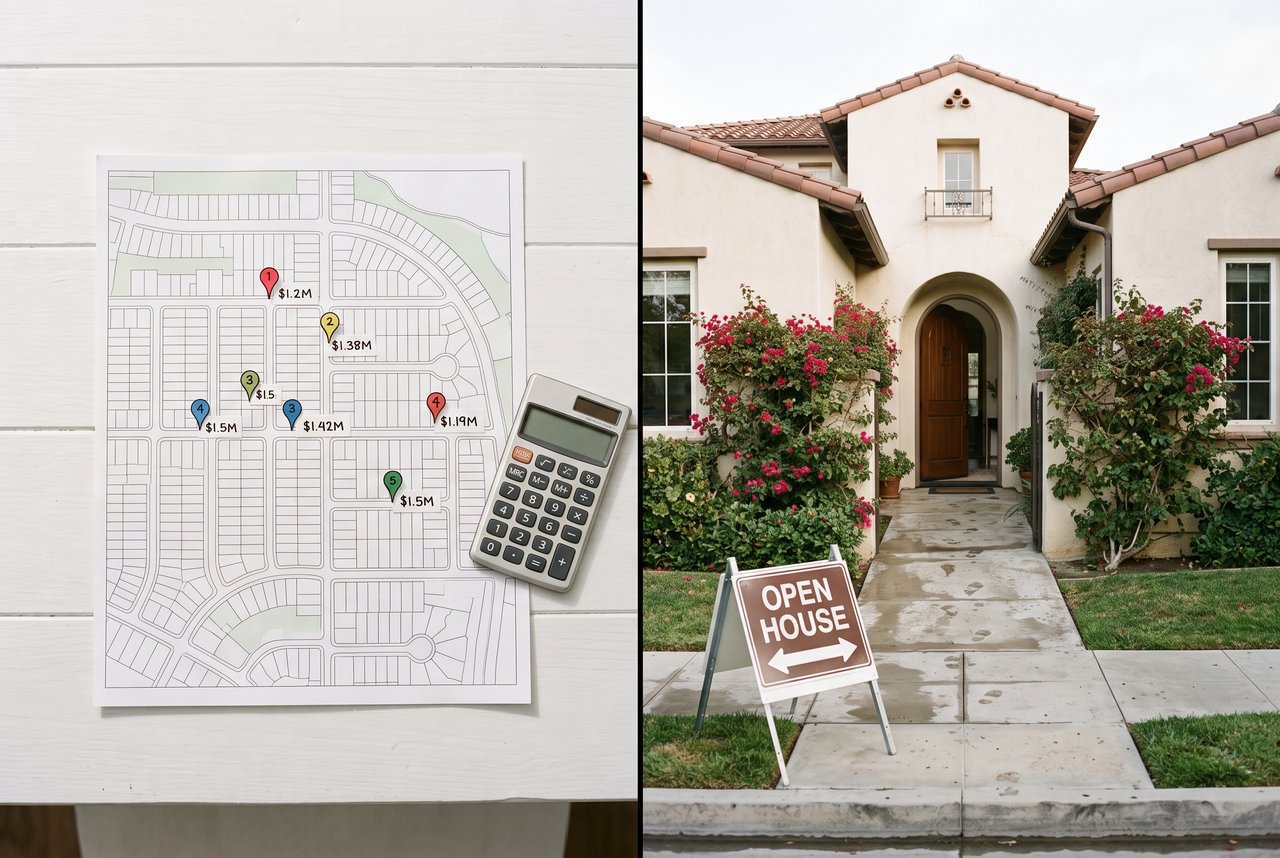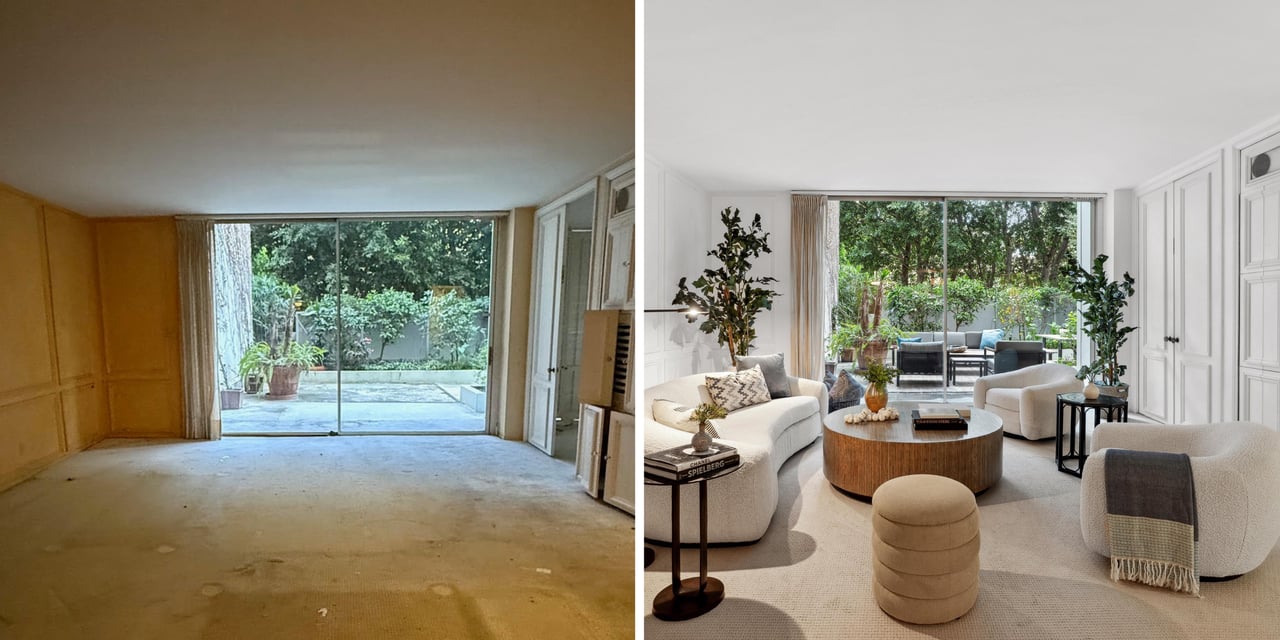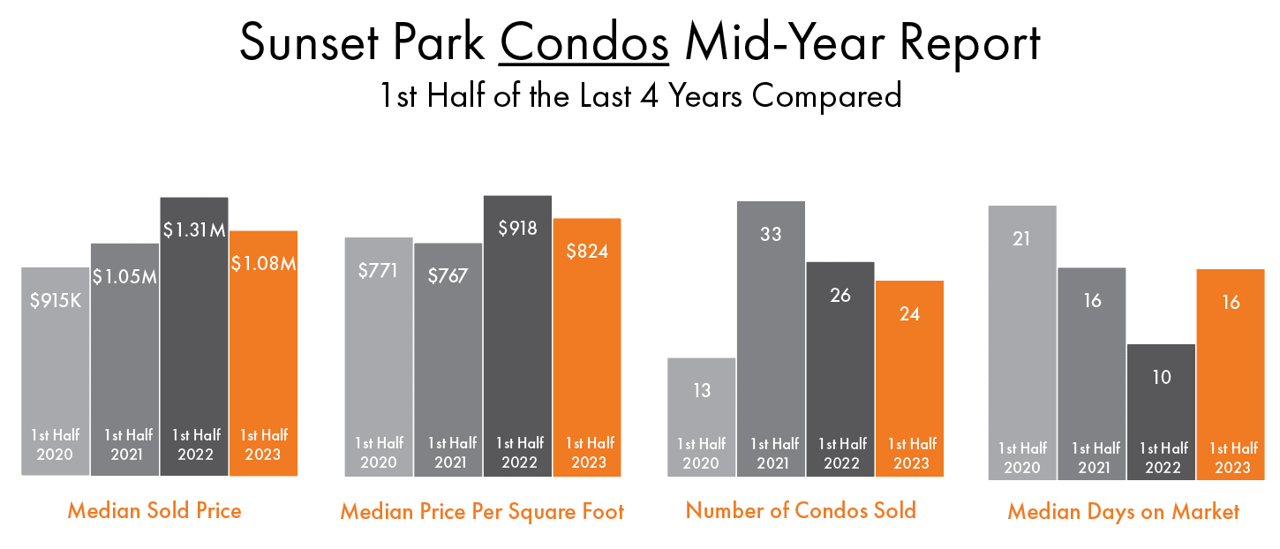
Clients have shared their AI conversations with us about what a property might be worth, and we've tested it ourselves. After the properties sold, we've sometimes gone back and compared the AI estimates with the actual sale prices. Some were surprisingly close and others were significantly off. Along the way, we started paying closer attention to something else: how the questions were asked.
How the Question Shapes the Answer
Given photographs, property details, and recent sales, AI can suggest a range of values and point out things that might otherwise be overlooked. Unlike a traditional online estimate from Zillow, which we've written about before, conversational AI allows us to provide additional information, ask follow-up questions, and influence the analysis through the way we frame those questions.
Consider someone who believes a property is worth $3 million. Asking AI to explain why the home is worth $3 million differs from asking it to independently estimate the property's value. The first question invites support for an existing belief. The second leaves room for a different conclusion. The same is true for a buyer who asks why a home is overpriced instead of asking what it's likely to sell for. These tools are built to be helpful, and the way we frame our questions can amount to "leading the witness."
It's not just the wording of the question. Providing only comparable sales that support a preferred price, emphasizing certain improvements, or leaving out competing properties can also influence the answer. AI may produce a detailed, persuasive analysis based on that information, but it can mislead when key information is omitted.
Question the Answer, Especially When You Like It
It's human nature to be more receptive to information that supports what we already believe. If AI lands on the number we were hoping for, it's tempting to accept the response. If it doesn't, we may be inclined to question its assumptions or ask again, hoping for a different result. Different AI platforms can provide different conclusions with the same input. The same tendency applies to real estate agents. If AI supports our pricing recommendation, we shouldn't automatically treat that as confirmation. If it disagrees, we shouldn't dismiss it. Instead, we should examine why. A well-written explanation isn't necessarily a well-supported conclusion. The underlying facts still need to be verified.
Use AI to Challenge Your Thinking
Rather than asking AI to justify a particular price, ask for its estimate before sharing your own, and give it the comparable sales you'd rather leave out along with the ones you like. Then ask it to push back: "What would make this estimate wrong?" "What am I leaving out?" "Make the case against this price." Asking AI to challenge its own conclusions can be just as useful as asking it to produce them. No analysis, ours included, can tell us how the market will actually respond until it does. AI can help us make more informed decisions. It cannot make uncertainty disappear.
Are we using AI to discover something we don't know, or simply to find another source that agrees with what we already believe? Sometimes the most useful answer is the one we didn't want to hear.
Your Trusted Advisors,
Peter and Tregg
Copyright © 2026 Peter Maurice and Tregg Rustad. All rights reserved. Unauthorized use, reproduction, or distribution of this content is prohibited.