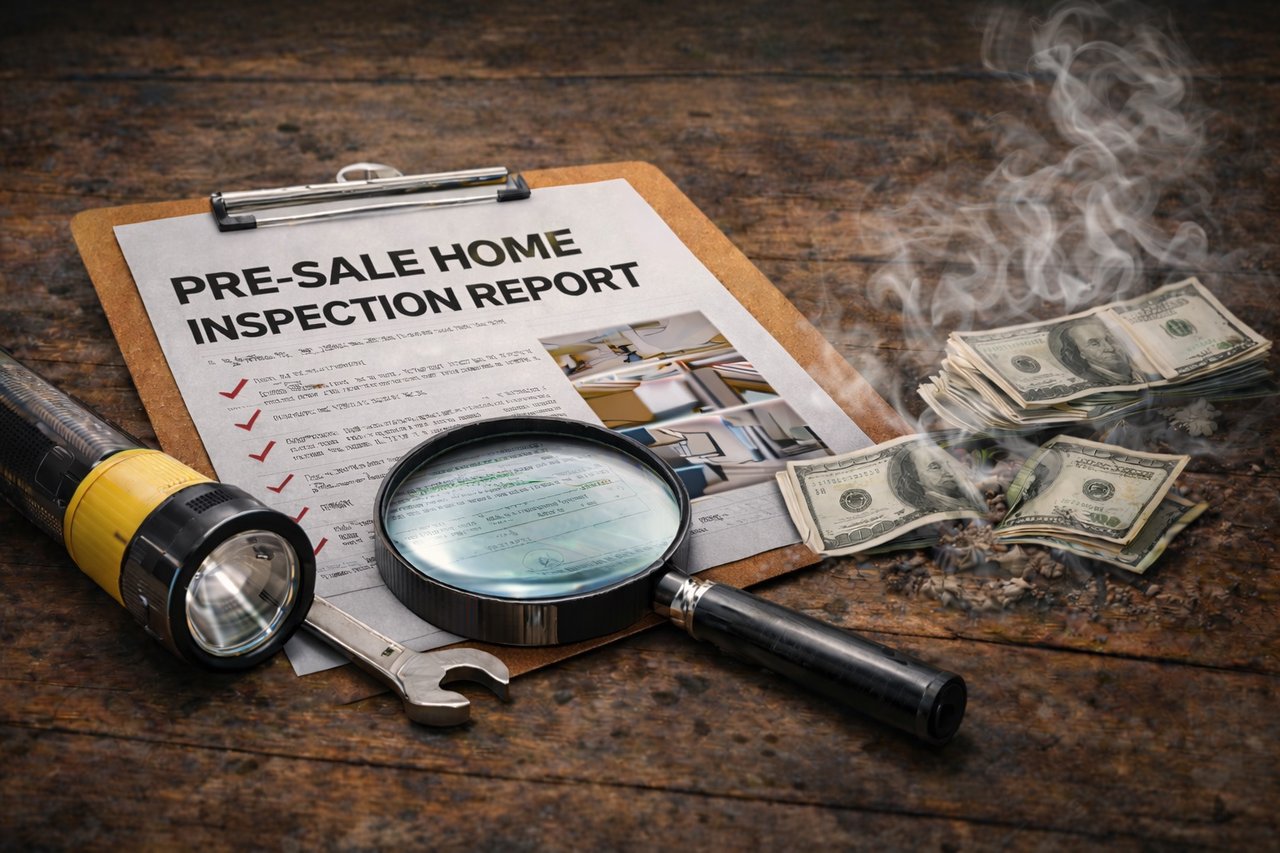
Some real estate agents advise sellers to complete a pre-sale inspection as a way to avoid repair and credit requests, and deals falling apart. The pitch is simple. Hire an inspector before you list, fix the major issues, provide the report upfront, and you will have a smooth escrow. It sounds logical. It feels proactive. In practice, it often creates the very problems sellers are trying to avoid.
What Changes the Moment You Inspect
A pre-sale inspection does not just uncover issues. It changes your position as a seller in three important ways:
-
Problem One -- “New” Information and Its Disclosure: If you are aware of a defect, you are required to disclose it. That part is straightforward. The issue is that a pre-sale inspection creates a record by proactively looking for problems. Once issues are identified, they must be disclosed to future buyers, even if they are minor and even if they have been repaired. What may have gone unnoticed, or not mattered to a buyer, now becomes part of the narrative of the home. And that narrative shapes how buyers perceive value and risk.
-
Problem Two -- Chilling Momentum: Providing an inspection report upfront can slow momentum. Buyers are left reviewing a report without context, sometimes before even seeing the home, and often interpret it more conservatively than intended. What was meant to create confidence can instead create hesitation. It is difficult for a buyer to connect emotionally with a home when their first interaction is a list of potential issues that may sound more serious on paper than they are in reality.
-
Problem Three -- It Does Not Stop Renegotiation: Sellers often assume that fixing issues upfront will prevent renegotiations later. It rarely works that way. Buyers do not negotiate based on what you have already done. They negotiate based on what their own inspector finds. Even if you address a dozen items, a buyer’s inspection will often surface a different set of issues, or place a different level of importance on issues your inspector may not have flagged as significant. Not every item carries the same weight for every buyer or every inspector. You may spend money fixing things that have little impact on a buyer’s decision, or that they plan to change anyway. Buyers also rarely rely on a seller’s report. Most will hire their own inspectors, often more than one. If something was missed in your report, they typically have no recourse against your inspector, which is another reason they conduct their own inspections. You are not eliminating renegotiation. You are simply resetting the list.
Where Your Effort Actually Matters
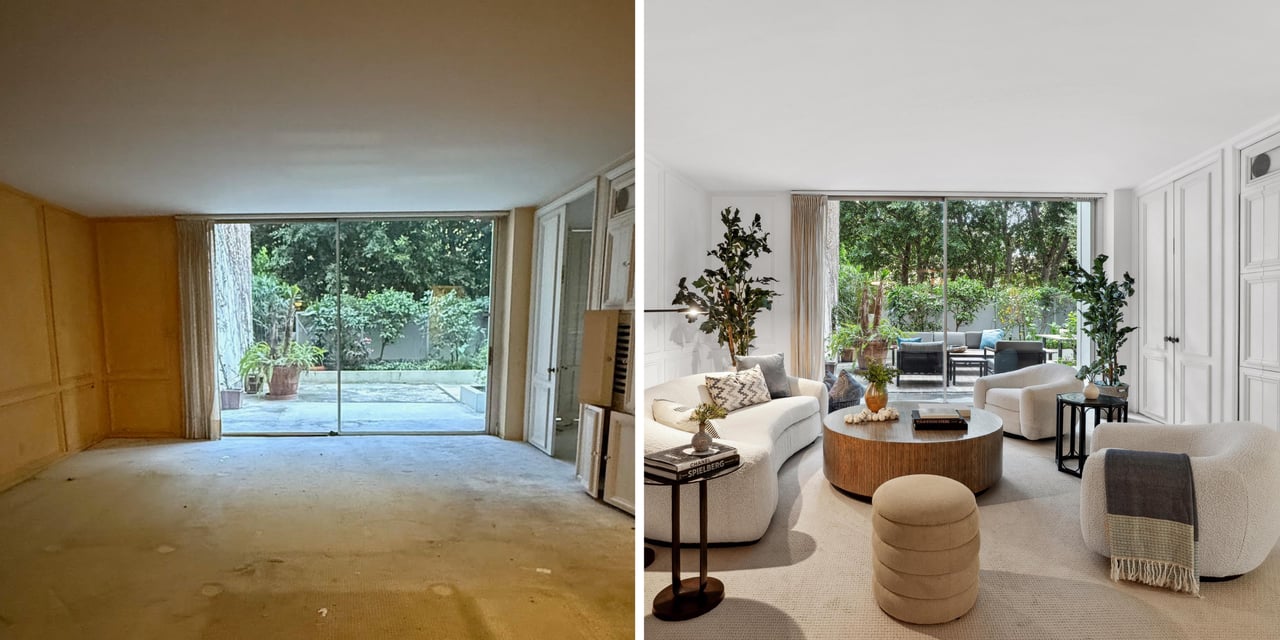
There are situations where addressing known issues makes sense. Active leaks, safety concerns, or anything that could impact financing or habitability should be considered. Beyond that, your time and money are usually better spent on presentation and positioning, not looking for unknown problems. Clean, well-prepared homes attract more buyers. More buyers create more demand. More demand creates leverage. Leverage is what allows a seller to push back on repair requests and credits.
The Bottom Line
If buyers have leverage, they will ask for repairs or credits regardless of what has been done in advance. A pre-sale inspection does not eliminate renegotiation. In many cases, it simply moves the same conversation earlier, adds cost, and increases your disclosure burden. It can also discourage a buyer from writing an offer. What actually drives outcomes is how your home is presented, how it is positioned, and how buyers respond when it hits the market. The most effective way to reduce inspection-related renegotiations is to create strong demand and maintain leverage.
Your Trusted Advisors,
Peter and Tregg
Copyright © 2025–2026 Peter Maurice and Tregg Rustad. All rights reserved. Unauthorized use, reproduction, or distribution of this content is prohibited.