Sunset Park Neighborhood Guide

A Coveted Residential Pocket with Deep Local Roots

Sunset Park occupies the southeastern portion of Santa Monica and offers something increasingly rare on the Westside: a true neighborhood feel within minutes of the beach and major employment hubs. The neighborhood is anchored by local institutions including Santa Monica College, Clover Park, and a strong network of public schools, contributing to long-term stability and consistency owner occupancy.

A Neighborhood Shaped by How It Was Built

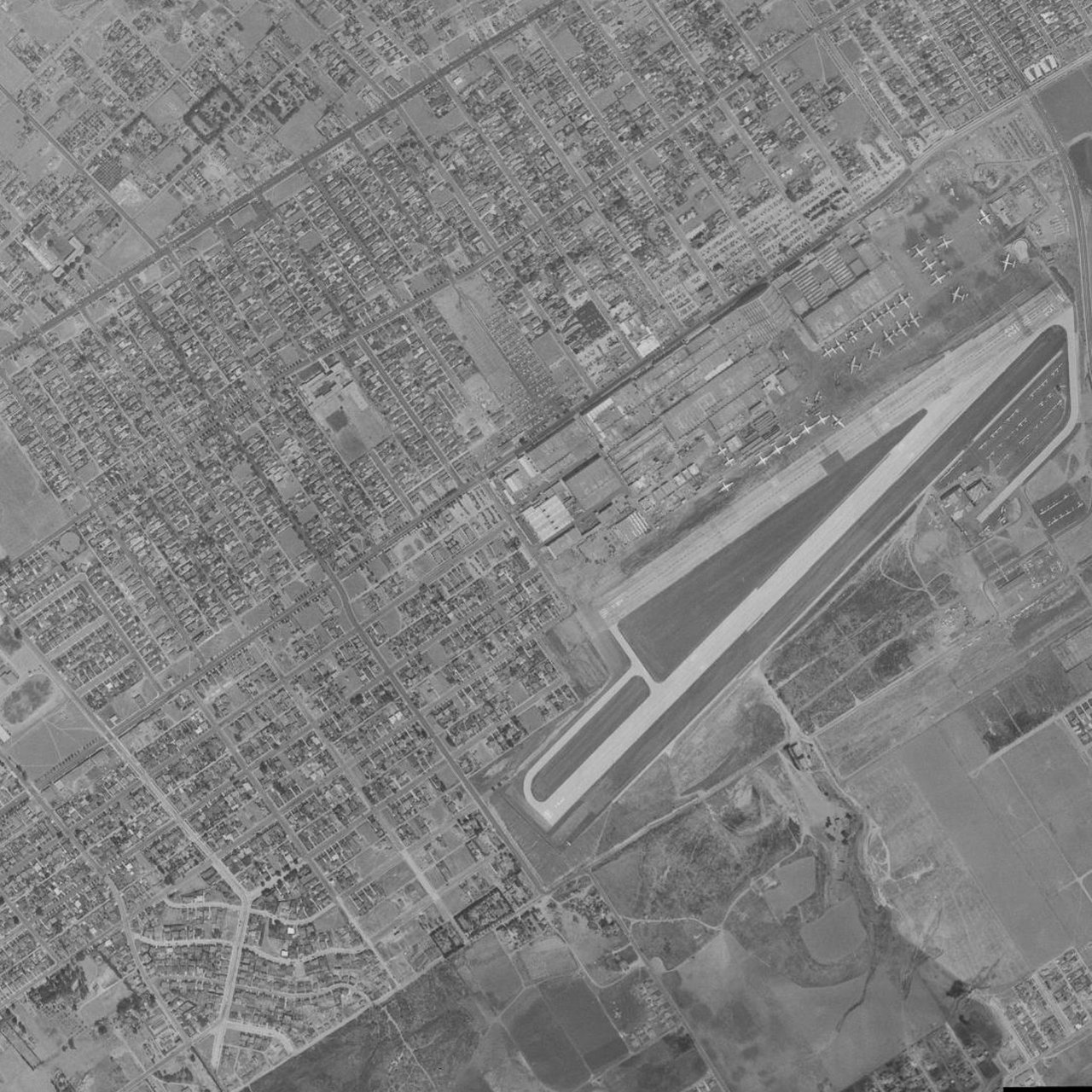
The land now known as Sunset Park was originally inhabited by the Tongva people and later became part of Rancho San Vicente y Santa Monica (1838), remaining largely agricultural until the early 20th century. The defining transformation came in the 1940s, driven by demand from the Douglas Aircraft Company, centered around what is now Santa Monica Airport. Much of the neighborhood was built during the post-war expansion and was largely built out by the 1960s. From that point forward, growth shifted inward. Not through new subdivisions, but through transformation of what already existed. (Image: Aerial of Sunset Park, 1940s)

What makes Sunset Park different isn't just location, it's how the neighborhood was built.

~5,000-7,500 sq ft

typical lot size

Rectangular

grid-based layout

Strong long-term

owner occupancy

Lifestyle neighborhood

filled with community and local amenities

Sunset Park Housing Profile

Sunset Park Homes Built by the Decade

Nearly two-thirds of Sunset Park's housing inventory was built between the 1930s and 1950s, shaping everything from lot size to pricing strategy today.

Source: Title - includes single family homes, duplexes, triplexes and condo units.

View chart data
Decade BuiltPercentage of Housing Units
Pre-1930s10.7%
1930s20.5%
1940s32.1%
1950s11.8%
1960s2.6%
1970s6.1%
1980s8.7%
1990s2.6%
2000s1.6%
2010s3.0%
2020s0.2%

A Second Housing Layer: Condos & Townhomes

Not all condos in Sunset Park are the same product, even if they look similar on paper.

What Actually Drives Value in Sunset Park

1
Original Homes
Smaller footprint, limited updates. Competes on entry-level positioning.
2
Expanded / Remodeled Homes
Improved layout, modernized systems. Competes for move-up buyers.
3
New Construction
Rebuilt or fully reimagined. Competes at the top of the market.

How the Market Actually Behaves

Neighborhood Overview

Neighborhood Character
Boundaries
Schools & Local Anchors
Why Buyers Target Sunset Park
Quiet, residential streets
Strong sense of neighborhood identity
Close to parks and schools
Minutes to the beach and major Westside hubs
Sunset Park feels local, even within one of the most globally recognized coastal cities.
North: Pico Boulevard
South: Dewey Street / Airport Avenue
West: Lincoln Boulevard
East: Centinela corridor / Santa Monica Airport
Santa Monica College
Clover Park
Grant Elementary
Will Rogers Elementary
John Adams Middle School
Santa Monica Public Library - Fairview Branch
These institutions contribute to long-term stability and consistent owner occupancy.
Buyers looking for community
Move-up Westside buyers
Silicon Beach professionals
Buyers looking for remodeled or rebuild opportunity
The combination of location, lot size, and future potential continues to support strong demand.

Single Family Homes - Sunset Park Market Snapshot 2025

$2.54M

Median Sold Price

$1,390

Median Price per Sq Ft

78

Number of Homes Sold

12

Median Days on Market

Condos - Sunset Park Market Snapshot 2025

$1.19M

Median Sold Price

$881

Median Price per Sq Ft

31

Number of Condos Sold

11

Median Days on Market

Sunset Park Market Trends

10-Year Median Sold Price Trends

Source: TheMLS data for Sunset Park

View chart data

Single Family Homes

YearMedian Sold Price
2016$1.75M
2017$1.85M
2018$1.91M
2019$1.95M
2020$2.15M
2021$2.45M
2022$2.50M
2023$2.15M
2024$2.30M
2025$2.54M

Condos

YearMedian Sold Price
2016$903K
2017$918K
2018$1.04M
2019$975K
2020$1.10M
2021$1.29M
2022$941K
2023$1.06M
2024$1.19M
2025$1.15M

Sunset Park Neighborhood Guide FAQ

Sunset Park is primarily made up of single-family homes originally built in the 1930s through 1950s, with the 1940s representing the largest concentration of housing inventory. Many of these homes were modest post-war properties built on rectangular lots that still define the neighborhood’s layout today.


Over time, the area has evolved through remodels, expansions, architectural rebuilds, and selective new construction. Sunset Park also includes a smaller condo and townhome segment, much of which was developed or converted during the 1970s and 1980s.

In Sunset Park, homes that appear similar on paper can compete in entirely different buyer categories.


Because much of the neighborhood was built during the same post-war era, value is often driven less by original construction date and more by what has been done to the property over time. Buyers tend to evaluate factors such as layout, condition, architectural quality, lot utility, natural light, and long-term potential.


As a result, pricing strategy in Sunset Park is often more nuanced than simply averaging nearby comparable sales.


(Related insight: Why pricing strategy matters more than many sellers realize.)

Not necessarily.


While some condos and townhomes in Sunset Park were purpose-built during the 1970s and 1980s, others were originally apartment buildings constructed in earlier decades and later converted into condominiums.


This layered development history helps explain why condo buildings in the neighborhood can vary significantly in layout, condition, homeowner association structure, and overall buyer appeal.

Many residential lots in Sunset Park fall within an approximate range of 5,000 to 7,500 square feet, though sizes can vary depending on street, location, and property type.


The neighborhood’s rectangular, grid-based layout was largely established during the post-war housing expansion of the 1940s and 1950s, and continues to influence how homes are expanded, rebuilt, and valued today.

Buyer priorities often vary by property type and price point, but common themes include location, lot potential, neighborhood feel, and long-term flexibility.


Sunset Park tends to attract move-up Westside buyers, Silicon Beach professionals, and buyers seeking the opportunity to remodel, expand, or reposition a property over time. Buyers are often highly analytical and compare homes closely based on condition, design, and perceived long-term value.

Sunset Park can be highly competitive when homes are properly positioned.


Well-prepared properties that align with buyer expectations often generate strong early interest, particularly within the first two weeks on market. At the same time, buyers in the neighborhood tend to be pricing-sensitive and selective, especially when comparing similar homes built during the same era.


Because of this, preparation, presentation, and pricing strategy can significantly influence the trajectory of a sale.

Sunset Park is known less for large commercial districts and more for its collection of neighborhood-serving restaurants, cafes, and long-standing local favorites spread throughout the area.


Some well-known spots in Sunset Park include:

  • Local Kitchen & Wine Bar

  • Lunetta

  • Rae's Restaurant

  • Gilbert's El Indio

  • Cosetta

  • The Cloverfield

  • Thyme Cafe and Market

Part of Sunset Park’s appeal is that dining tends to feel integrated into everyday neighborhood life rather than centered around tourism-heavy destinations.


Residents also benefit from convenient access to grocery stores in Sunset Park, such as Gelson's, Trader Joe's, and local favorite Bob's Market.


The future of the Santa Monica Airport remains one of the most closely watched long-term issues affecting the Sunset Park area.


The City of Santa Monica previously entered into an agreement with the Federal Aviation Administration (FAA) that allows the airport to close no earlier than the end of 2028. While that date is often referenced publicly, the long-term outcome for the site is still uncertain and subject to future planning, environmental review, political decisions, and community input.


At this stage, no final redevelopment plan has been approved. Discussions have included possibilities ranging from expanded parkland and recreational uses to community-serving facilities and limited development concepts. Because the site is large and centrally located, future decisions could influence nearby neighborhoods, including portions of Sunset Park, over time.


For homeowners and buyers, the most important takeaway is that the conversation remains ongoing. While the airport’s future is frequently discussed, any assumptions about future land use, traffic, housing, or property value impacts should be approached cautiously rather than treated as certainty.

Recent Maurice & Rustad Activity in Sunset Park

Sold

Thinking About a Move in Sunset Park?

Whether you are considering selling, buying, or simply trying to understand the neighborhood better, we can help you think through the local market with more clarity.